
Introduction
In an era marked by rapid industrialization and urbanization, the need for resilient, efficient, and sustainable construction solutions has never been more critical. As industries evolve to meet the demands of a global market, the structures that house their operations must also adapt. Lida Group, a leader in the prefabricated building sector, has pioneered the use of steel structure factory buildings that provide a range of benefits. This article explores the advantages of Lida Group’s steel structure factory buildings, focusing on their resilience, sustainability, cost-effectiveness, and adaptability to various industrial needs.
Understanding Steel Structure Factory Buildings
What Are Steel Structure Factory Buildings?
Steel structure factory buildings are prefabricated structures primarily composed of steel frames. These buildings are designed to serve various industrial purposes, including manufacturing, warehousing, and logistics. The steel framework provides strength and durability, while the prefabrication process allows for rapid assembly on-site.
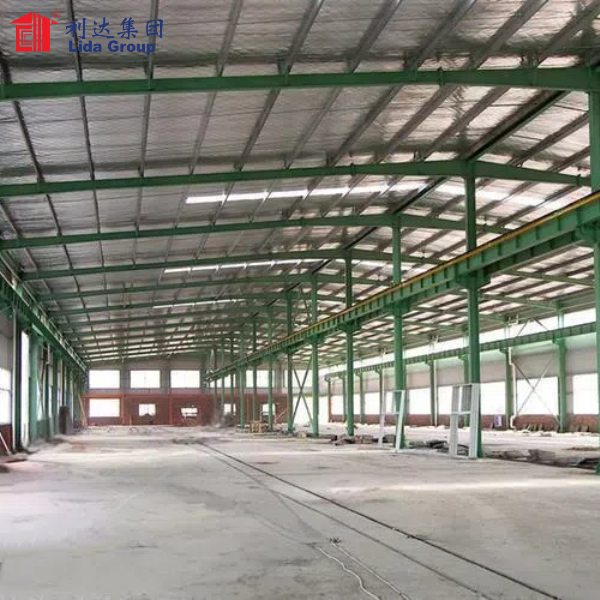
Key Features of Steel Structure Buildings
- Durability: Steel is known for its high strength-to-weight ratio, making it capable of withstanding heavy loads and extreme weather conditions.
- Sustainability: Steel is recyclable, and using it in construction can contribute to lower environmental impacts compared to traditional building materials.
- Flexibility: Steel structure buildings can be designed to accommodate various layouts and configurations, catering to different operational needs.
The Rise of Steel Structure Factory Buildings
Historical Context
The use of steel in construction dates back to the late 19th century, but its application in factory buildings has gained momentum in recent decades. The shift towards industrialization, coupled with advancements in steel fabrication technology, has made steel structure buildings a preferred choice for many industries.
Key Drivers of Popularity
Several factors have contributed to the increasing adoption of steel structure factory buildings:
- Economic Efficiency: The cost-effectiveness of steel as a building material makes it an attractive option for businesses looking to minimize construction expenses.
- Speed of Construction: Prefabricated steel components can be quickly assembled, reducing the time required to complete a building.
- Resilience to Natural Disasters: With climate change leading to more frequent and severe weather events, businesses require structures that can withstand such challenges. Steel buildings offer enhanced resilience against earthquakes, hurricanes, and other natural disasters.
Benefits of Lida Group Steel Structure Factory Buildings
1. Enhanced Durability and Strength
Lida Group’s steel structure factory buildings are designed to withstand various environmental stresses:
- Weather Resistance: Steel is impervious to moisture, reducing the risk of rot and mold, which can compromise the integrity of traditional wooden structures.
- Structural Integrity: The strength of steel allows for long spans without the need for excessive support columns, providing more usable space within the building.
2. Cost-Effectiveness
Building with steel offers significant financial advantages:
- Reduced Construction Time: The prefabrication of steel components means that construction times are significantly shortened, allowing businesses to start operations sooner.
- Lower Maintenance Costs: Steel structures require less maintenance than traditional materials, leading to long-term savings on repairs and upkeep.
3. Sustainability and Environmental Impact
Lida Group prioritizes sustainability in its construction processes:
- Recyclability: Steel is 100% recyclable, making it an environmentally friendly choice for construction. This contributes to a circular economy by reducing waste.
- Energy Efficiency: Steel buildings can be designed with energy-efficient features, such as proper insulation and energy-efficient windows, reducing operational costs related to heating and cooling.
4. Flexibility in Design and Use
The versatility of steel structure factory buildings allows for a range of applications:
- Customizable Layouts: Steel structures can be easily modified to accommodate changes in production processes or business needs, allowing for future growth and adaptation.
- Multi-Purpose Use: These buildings can serve various functions, from manufacturing and warehousing to office spaces and showrooms, providing businesses with flexible options.
5. Safety and Fire Resistance
Safety is a paramount concern in industrial settings:
- Fire Resistance: Steel is non-combustible, offering improved fire resistance compared to wooden structures. This can lead to lower insurance premiums and increased safety for occupants.
- Stability in Extreme Conditions: Steel structures are less likely to suffer damage during severe weather events, enhancing the safety of personnel and equipment.
6. Quick Return on Investment
Investing in Lida Group’s steel structure factory buildings can yield quick returns:
- Faster Time to Market: The speed of construction allows businesses to begin operations sooner, generating revenue more quickly.
- Long-Term Durability: The longevity of steel structures means that businesses can rely on their facilities for many years without the need for costly replacements.
Applications of Steel Structure Factory Buildings
1. Manufacturing Facilities
Steel structure factory buildings are ideal for manufacturing operations due to their spacious designs and durability:
- Heavy Machinery Support: The strength of steel allows for the installation of heavy machinery without compromising structural integrity.
- Open Floor Plans: Steel buildings can be designed with open layouts, facilitating efficient workflows and production lines.
2. Warehousing and Logistics
In the logistics sector, steel structure buildings provide essential features:
- High Ceilings: Steel structures can accommodate high ceilings, allowing for vertical storage solutions and maximizing space utilization.
- Ease of Access: The flexibility in design enables the inclusion of large loading docks and access points for efficient material handling.
3. Retail and Showrooms
The aesthetic versatility of steel buildings makes them suitable for retail applications:
- Custom Facades: Steel structures can be outfitted with various exterior finishes, allowing businesses to create attractive storefronts.
- Flexible Space Configuration: Retailers can easily modify interior layouts to suit changing market demands, ensuring adaptability.
4. Research and Development Facilities
Steel structures are also valuable in the research and development sector:
- Controlled Environments: These buildings can be designed to include specialized climate control systems, ensuring optimal conditions for experiments and product development.
- Laboratory Space: The strength and flexibility of steel allow for the installation of specialized laboratory equipment without compromising the building’s integrity.
5. Renewable Energy Projects
As industries shift toward sustainability, steel structure buildings can support renewable energy initiatives:
- Solar Panel Integration: Steel roofs can easily accommodate solar panels, allowing businesses to harness renewable energy sources.
- Wind Turbine Support: The durability of steel structures makes them suitable for supporting wind turbines and other renewable energy infrastructure.
Overcoming Challenges in Steel Structure Construction
1. Regulatory Compliance
Navigating building codes and regulations can be challenging in steel construction:
- Understanding Local Regulations: Lida Group ensures compliance by thoroughly researching local building codes and engaging with authorities early in the planning process.
- Quality Assurance: Implementing rigorous quality assurance measures during construction helps meet regulatory standards and ensures the safety of the final product.
2. Public Perception
Despite their benefits, steel structures can face skepticism:
- Educating Stakeholders: Lida Group emphasizes the advantages of steel construction through educational initiatives and successful case studies to build trust among potential clients and stakeholders.
- Showcasing Aesthetic Appeal: By highlighting innovative designs and attractive finishes, Lida Group addresses misconceptions about the visual appeal of steel buildings.
3. Environmental Concerns
While steel is generally considered a sustainable material, challenges remain:
- Sourcing Sustainable Steel: Lida Group prioritizes sourcing steel from environmentally responsible suppliers to minimize the environmental impact of its constructions.
- Waste Management: Implementing practices to manage waste generated during construction ensures that projects adhere to sustainability goals.
The Future of Steel Structure Factory Buildings
1. Technological Advancements
As technology continues to evolve, the construction industry will see significant innovations:
- Building Information Modeling (BIM): The integration of BIM technology enhances the design and planning processes, improving efficiency and reducing errors during construction.
- 3D Printing: Advancements in 3D printing technology may allow for the production of steel components, further streamlining construction processes.
2. Growing Demand for Sustainable Solutions
The increasing focus on sustainability will drive the demand for steel structure factory buildings:
- Green Building Certifications: As industries seek to achieve green building certifications, the recyclability and energy efficiency of steel structures will become more appealing.
- Investment in Renewable Energy: The shift toward renewable energy projects will create opportunities for steel structures that support sustainable initiatives.
3. Global Expansion
The global market for steel structure factory buildings is expected to grow:
- Emerging Markets: Countries experiencing rapid industrialization may increasingly adopt steel construction methods to meet their infrastructure needs.
- Urbanization Trends: As urban areas expand, the demand for efficient, durable construction solutions will continue to rise, positioning steel structures as a preferred choice.
Conclusion
Lida Group’s steel structure factory buildings represent a transformative approach to modern construction, offering resilience, sustainability, and versatility. With their enhanced durability, cost-effectiveness, and adaptability to various industrial applications, these structures are well-suited to meet the demands of a rapidly changing world.
As industries continue to evolve, the benefits of steel structure buildings will become increasingly relevant. By addressing challenges related to regulatory compliance, public perception, and environmental impact, Lida Group is paving the way for a sustainable future in construction.
In a landscape where adaptability and resilience are paramount, steel structure factory buildings stand out as a practical solution for businesses seeking to thrive in an ever-changing environment. Embracing this innovative approach will be essential for creating efficient, sustainable, and resilient industrial spaces for generations to come.
Contact Us
Post time: Oct-18-2024